


Less than 30 days to the election: What Human Rights have to do with your everyday life
In less than 30 days, New Zealand goes to the polls.
An election is many things. But at its core, it is one of the most direct ways we exercise a human right: the right to participate in the decisions that shape our lives.
That right is under pressure everywhere. Not just in places where it has been violently taken away, but in places like Aotearoa, where people have slowly stopped believing their voice makes a difference.
As Executive Director of Amnesty International Aotearoa New Zealand, I spend a lot of time thinking about the gap between the rights we say we value and what people actually experience. Human rights don't only fail when laws are broken. They weaken when governments stop actively upholding them, when people feel they can't participate, can't influence decisions, or don't belong.
Over time, that erodes the shared values that hold a society together.
What's happening globally
Right now, human rights crises are unfolding at a scale that demands attention.
In Iran, Amnesty International's Architects of Atrocities report documented the crimes against humanity committed during the 2022 Woman Life Freedom uprising: 377 deaths, 56 of them children, and 87 officials named by role so they can be held individually accountable. We are calling for an international justice mechanism and a referral to the International Criminal Court.
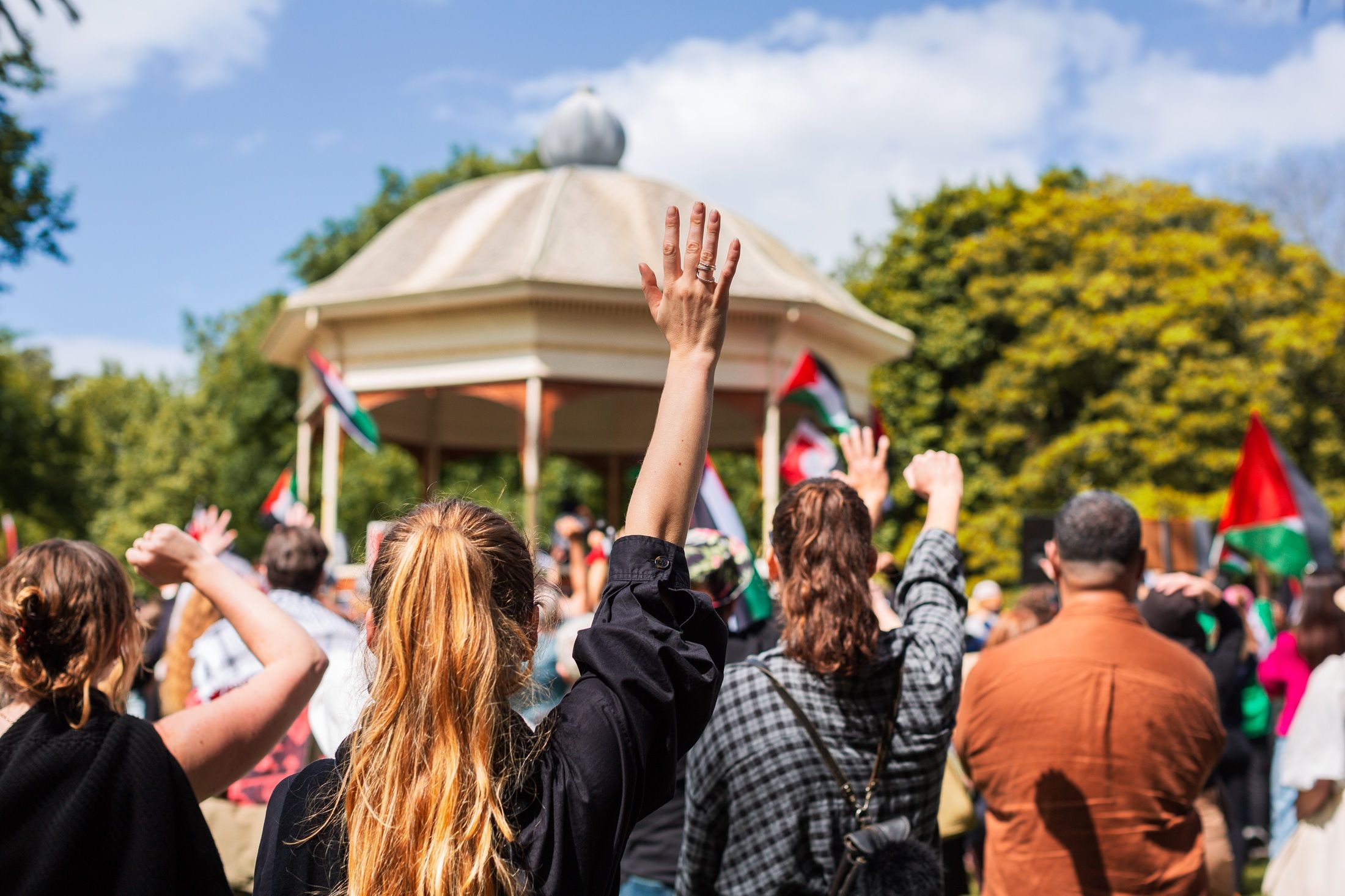
In Gaza, the humanitarian catastrophe continues despite a ceasefire signed in October 2025. More than 74,000 Palestinians have been killed since October 7, 2023, approximately 90 percent of the population has been displaced, and Israeli military strikes have continued even after the ceasefire. Amnesty International's investigation concluded that Israel has committed and is continuing to commit genocide. We are calling on the New Zealand Government to publicly recognise this genocide, facilitate Palestinian refugees seeking safety in Aotearoa, and ban the import of goods from illegal settlements.
In Sudan, families in El Fasher, North Darfur, were sealed inside the city for eighteen months, some surviving on animal feed paste, while survivors report mass killings, sexual violence, and attacks on hospitals. We are calling on the New Zealand Government to review arms exports linked to the conflict and open pathways for those fleeing.
What this has to do with you
Aotearoa is not experiencing the crises playing out in other parts of the world. But that is not a reason to be complacent.
People don't disengage from public life because they stop caring. They disengage because they stop believing their participation will change anything. When systems are hard to access and voices go unheard, people internalise that. What looks like apathy is often a rational response to feeling powerless.
Human rights are not only legal protections on paper. They are something we practise every day, in our relationships, our communities, our institutions. Without trust, people don't engage. Without connection, they don't organise. Without belonging, they don't act.
That is why social cohesion is not a nice to have. It is essential.
More Voices: A new campaign for better decision making
This is why we launched More Voices. The campaign is about strengthening decision making in central and local government so that more diverse people can participate meaningfully.
Think about the bus you wait for, the care your family depends on, the school young people in your life attend. Government decisions shape these things. Your experience should help shape those decisions.
More Voices is about people being able to participate in the decisions that affect their lives, not just at the ballot box once every three years, but every day.
We want to hear from you. Share your thoughts at morevoices.nz on what would help strengthen decision making in Aotearoa.
Election reminder
With the election on November 7, participation is not abstract right now. It is concrete.
If you are not enrolled, the deadline is October 25. If you are enrolled, use your vote.
And between now and then, keep paying attention to the decisions being made in your name, in Aotearoa and around the world. The kind of country we want to live in is built in the choices we make together, at the ballot box and every day in between.
Jacqui Dillon is Executive Director of Amnesty International Aotearoa New Zealand.