


Israel’s interception of Madleen and detention of crew bound for Gaza flouts international law
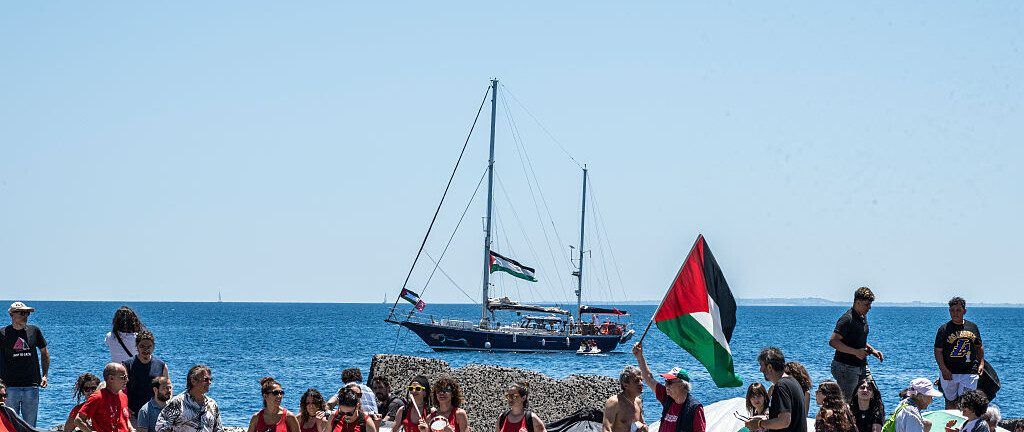
Responding to the news that Israel has intercepted and detained the 12-person crew aboard the Gaza Freedom Flotilla’s Madleen boat, including activist Greta Thunberg, who has been designated by Amnesty International as an Ambassador of Conscience, which had attempted to break Israel’s illegal blockade on the occupied Gaza Strip and get in desperately needed humanitarian supplies, Amnesty International’s Secretary General Agnès Callamard said:
“By forcibly intercepting and blocking the Madleen which was carrying humanitarian aid and a crew of solidarity activists, Israel has once again flouted its legal obligations towards civilians in the occupied Gaza Strip and demonstrated its chilling contempt for legally binding orders of the International Court of Justice.
“The operation carried out in the middle of the night and in international waters violates international law and put the safety of those on the boat at risk. The crew were unarmed activists and human rights defenders on a humanitarian mission, they must be released immediately and unconditionally. They must also be protected from torture and other ill-treatment pending their release.
During its voyage over the past few days the Madleen’s mission emerged as a powerful symbol of solidarity with besieged, starved and suffering Palestinians amid persistent international inactionAgnès Callamard, Amnesty International’s Secretary General
“As the occupying power Israel has an international obligation to ensure civilians in Gaza have sufficient and safe access to food, medicine, and other supplies indispensable to their survival. Instead, and as part of its calculated effort to inflict on Palestinians in Gaza conditions of life designed to bring about their physical destruction, it has consistently and deliberately impeded the provision of impartial humanitarian assistance for civilians in desperate need. Its military attacks have also damaged or destroyed vital infrastructure, including sources of food production like agricultural lands, compounding the impact of its starvation policy.
“During its voyage over the past few days the Madleen’s mission emerged as a powerful symbol of solidarity with besieged, starved and suffering Palestinians amid persistent international inaction. However, this very mission is also an indictment of the international community’s failure to put an end to Israel’s inhumane blockade. Activists would not have needed to risk their lives had Israel’s allies translated their rhetoric into forceful action to allow aid into Gaza.
“Israel’s interception of the Madleen despite global calls for it to be granted safe passage underscores the longstanding impunity Israel enjoys which has emboldened it to continue to commit genocide in Gaza and to maintain a suffocating, illegal blockade on Gaza for 18 years.
“Until we see real concrete steps by states worldwide signalling an end to their blanket support for Israel, it will have carte blanche to continue inflicting relentless death and suffering on Palestinians.
“States must act now or risk complicity in Israel’s grave violations of Palestinians’ rights. They must publicly denounce Israel’s interception and detention of the Madleen’s crew and demand the immediate and unconditional release of all those on board. Now is the time to take a clear stand – through actions not just words. They must make clear that they will no longer tolerate Israel blocking humanitarian aid to a population facing starvation and genocide. They must press Israel to lift its suffocating blockade and allow aid to be delivered through all crossings into Gaza now.”